

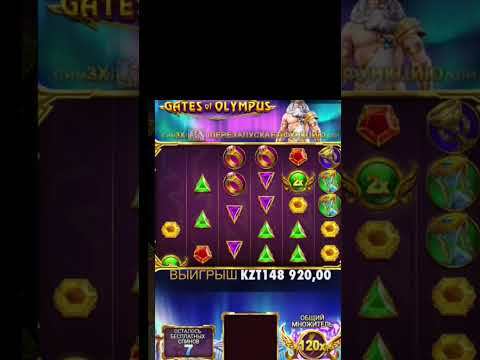
περιηγηθείτε στον ιστότοπο is a high-volatility slot from Pragmatic Play. Greek players encounter it frequently because it mixes a recognizable mythological theme with a scatter-pays system that’s not like most slots. I think of it as a sequence of separate spins linked by tumbling sequences and multiplier events—not a game with foreseeable cycles or guaranteed wins. This guide walks you through the grid, the RTP, the bonus mechanics, and the max win in plain terms. I’ll also note where the real rules contrast with what players often believe, because the game’s presentation can cause the math to appear more generous than it is. By the end, you’ll possess a distinct mental picture of how a round unfolds, why dry spells occur, and what the free spins feature truly changes. That way, you can review the paytable and the on-screen action with more certainty before you put money down. Nothing here guarantees a certain outcome; it’s just a explanation of the product. View this guide as a aid to comprehend the game, not a prophecy.
Tumble Mechanic and The Way Consecutive Wins Operate
The tumble feature converts a single spin into a potentially long chain of results. After any winning combination, the winning symbols are cleared from the grid, and new symbols fall from above to fill the empty spaces. The game then reviews the new screen for another eight-symbol match. If another win appears, the process repeats. Tumbles continue until no new winning combination is visible. All accumulated wins from a sequence are given at the end, either as cash or as part of the round’s total win calculation. This mechanic is important because it can create several independent wins from one paid spin, but it doesn’t build a base-game multiplier on its own. The multiplier originates only from special orb symbols that may land during the sequence. A long tumble chain with no multipliers can still pay, but the largest results usually demand both a tumble chain and one or more strong multiplier values. The tumble also works with scatter symbols in a specific way: if scatters land during a tumble and the total reaches four or more by the end of the sequence, the free spins feature starts after the current spin’s wins are fully calculated. That’s why a single spin can feel like several spins packed into one.
Icons, Payment Values and Winning Combinations
Standard symbols split into lower-tier gemstones and higher-priced items. The stones—usually blue, green, red, and purple—sit at the lower end of the payment table and pay modest payouts for eight or more combinations. Premium symbols contain goblets, bands, sandglasses, and tiaras. The coronet is the top-paying ordinary symbol; a screen with twelve plus coronets can yield a considerable multiple of your total bet. Precise values are in the in-game paytable, and I consider that table as the authoritative source rather than trusting memory. As you require eight plus of the matching symbol to score, individual symbol hits are rarer than in line slots. But the scatter-pay mechanic lets a individual symbol show up all over the grid and form a payout that line-based games would find it hard to equal. This structural variation means icon frequency and spread matter more than location, and a screen heavy with one premium symbol type is always worth observing carefully as the cascade completes. It’s a good habit to review the paytable frequently, particularly when you switch bets.
The scatter symbol and the multiplier ball are the two non-regular symbols you must to distinguish. The scatter icon doesn’t create a regular payline win, but getting four or more initiates the free spins round and may also return an immediate multiple of your total wager. The multiplier ball has a different role: it carries a multiplier amount and affects the rounds where it appears. No wild symbol exists, so normal combinations rely entirely on pairing eight plus same symbols. Multiplier balls cannot replace a missing coronet or stone, and they fail to count toward a pay-anywhere group. Consult each sign in the payment table before you bet for actual funds. Notice that the paytable shows rewards as factors of total wager, not set euro amounts—that renders simpler to contrast returns across multiple bet levels. An additional nuance: multiplier balls are accumulated and applied only after the tumble sequence completes entirely, so a extended chain of cascades can gather multiple orbs before the final payout calculation occurs. διαβάστε την αναφορά Thus do not be shocked if a fall chain concludes and then a multiplier value unexpectedly appears on the final tally.
Gameplay Basics: Drums, Rows and Scatter Payouts
The game board is a six-column, five-tier grid—bigger than the 3- or 5-reel configurations many beginners are used to. Gates of Olympus does not utilize standard paylines. Rather, it functions on a pay-anywhere system: you earn a win whenever at least eight identical symbols show up in any position on the visible grid. Location is unimportant, and symbols don’t need to be adjacent or lined up left to right. That’s one of the most important things to internalize because it changes how you interpret the screen. Eight crowns spread across both the top and bottom rows constitute a win; seven crowns amount to nothing. The game reviews all corresponding sets after each spin. Given that there are no paylines, the expense of a spin is a full wager—no per-line adjustments—which streamlines stake selection but also signifies the paytable multiples are linked directly to your full wager. Before your first session, open the in-game paytable and mentally convert those numbers into multiples of your selected total stake. That small step makes it far simpler to evaluate a win’s size. It’s a habit that brings rewards quickly.
No paylines also implies no wild symbol. Some players anticipate a wild to substitute for missing symbols, but Gates of Olympus lacks one. Its special symbols are the scatter and the multiplier orb, and they carry out completely different jobs. The scatter initiates free spins; multiplier orbs boost the worth of successful combinations. This is relevant for beginners because a lot of slot habits don’t carry over. You shouldn’t count on a wild to finish a line—you need eight same regular symbols. The paytable shows payouts for eight to nine, ten to eleven, and twelve or more identical symbols. I’d suggest reviewing those thresholds closely, because the leap in payout between twelve and, say, fifteen identical crowns can be huge, converting a modest return into a substantial multiplier of your stake. Understanding that scaling is essential for interpreting the grid properly during tumble sequences. When you understand how those tiers work, you’ll start to appreciate the value of a screen full of crowns.
Multiplier Orbs and the Zeus Multiplier System
Multiplier orbs are what give Gates of Olympus its standing for sudden big payouts. These symbols can show up during any spin—in the base game or free spins—and they hold values from 2x up to 500x. They don’t pay on their own and don’t qualify as one of the eight regular symbols needed for a win. When a tumble sequence ends, the game sums all multiplier values displayed on the screen and applies the sum to the total win of that sequence. For example, if a sequence produces a win of €5 and the screen shows a 10x and a 25x orb, the two values add up to 35x, giving a €175 result before any round-specific rules take effect. This additive behavior is unlike from many slots that apply a single wild multiplier, so it’s worth understanding precisely before your first real-money session. The range of possible orb values means even a single 500x orb can convert a modest base-game win into a memorable result, but such high-value orbs are uncommon and can’t be forecast or influenced by player decisions. It’s a basic but powerful mechanic.
In free spins, the multiplier system changes in an important way. Instead of resetting after each spin, multiplier values are collected into a persistent total multiplier for the entire feature. Whenever a multiplier orb lands, its value is added to that total, and subsequent wins are boosted by the growing figure. That’s the main reason free spins can reach the game’s maximum win. A short base-game sequence might generate a useful multiplier, but the free spins structure lets the number grow across multiple paid spins and tumble chains. I think of base-game orbs as brief acceleration events, while the free-spins multiplier is the real engine for high outcomes. Both are random, and there’s no reliable way to coerce their appearance. The only practical step is to watch the multiplier value shown during the feature and understand that it applies to the whole round. This persistent accumulation means later free spins in a sequence are inherently more worthwhile than earlier ones, assuming the multiplier has grown. That’s the key contrast between base game and free spins.
Theme and Appearance
Gates of Olympus employs Greek mythology as its visual backdrop: Zeus stands beside a six-reel grid, and marble-like stonework borders the symbols. The look is sleek, but it’s not a storytelling slot like some branded games. Most of the visual energy comes from tumbling symbols, bright multiplier orbs, and the sporadic lightning flash when Zeus activates. The deep blue, gold, and white colour palette keeps the grid readable, even during fast consecutive wins. The audio matters more than you might think too—it marks multiplier orb landings and feature triggers with distinct rising tones that experienced players recognize without looking at the screen. For a Greek audience, the theme seems familiar, but it doesn’t affect RTP or volatility. Think of Zeus and Mount Olympus as an aesthetic wrapper. The visuals might attract you, but the real risk and reward structure is found in the scatter mechanics and the multiplier system we’ll get to later. So don’t let the theme distract you from the math.
RTP percentage and Volatility: What They Indicate for Greek Players
The RTP doesn’t represent a single fixed number across all platforms the game is offered. The default theoretical RTP of Gates of Olympus is frequently quoted as 96.50%, but Pragmatic Play permits lower configurations—95.50% and 94.50% versions are used by some platforms. So if you’re playing in Greece, review the game info page or help file on the particular site you’re using, because a two-percentage-point difference changes the long-term expected value. On top of that, this is a high-volatility slot. High volatility signifies the game can endure long dry spells and then provide a big payout from a single spin or free spins sequence. It doesn’t indicate wins are impossible, but it does mean small base-game hits are frequently modest compared to your stake. I regard the volatility rating as the single most important fit test: if you prefer frequent small returns, this game will seem punishing. If you’re okay with a design that’s geared toward rare but significant multiplier events, the variance is reasonable. Volatility also impacts session length in practical ways—a short session of fifty spins might reveal almost no meaningful activity, while a longer session gives the math more room to exhibit both the dry spells and the occasional spike that defines this type of game. That’s why I consistently check the RTP before playing.
Complimentary Spins Feature: Activation and the Ongoing Multiplier
The free spins feature activates when four or more scatter symbols show up anywhere on the grid in a single spin or tumble sequence. The usual award is fifteen free spins, and three or more additional scatters during the feature add five more spins. Inside free spins, the persistent multiplier mentioned earlier applies to wins. That makes the feature fundamentally different from base play: a moderate win can become large if the accumulated multiplier is already significant. Consider the free spins trigger as the primary structural aim of the game, but not something you can manage. Because the trigger demands four scatters on a pay-anywhere grid, it can happen quickly or need a long time. High volatility means you ought not assume a feature is expected. The only sound approach is to monitor your balance and recognize that free spins are a arbitrary bonus round, not a prize for patience. Some platforms offer a bonus buy option where permitted by local regulation, letting you acquire direct entry into free spins for a fixed multiple of your stake, generally around 100x. That’s a distinct decision with its own risk profile and is not available in all jurisdictions. So do not chase it; let it happen.
Wagering Options, Interface and How to Start Playing
Betting options are easy because there are no per-payline adjustments. You pick a total stake per spin, and that stake is utilized to calculate all paytable payouts. On many licensed platforms, the usual range runs from €0.20 to €100 per spin, though the exact min and max can vary by operator and currency. Beginners should begin at the lowest comfortable level and monitor how fast the balance moves under high volatility. The main interface has a spin button, a stake selector, and entry to the paytable and rules. I choose manual play because it provides you a more distinct sense of each tumble sequence. The key point: every payout displayed as a multiple is calculated by your total stake, not by a smaller line bet. A 10x result at a €1 stake is €10; at €10 it’s €100. That simple relationship makes the math easy. I’d also recommend using the autoplay function occasionally when you’re first learning, because tumble chains happen fast and manual spins let you pause to see precisely which symbols helped to a win and how the multipliers were applied. Manual play also assists you learn the rhythm of the tumbles.
Top Win, Strategic Expectations and Concluding Assessment
The maximum win is 5,000 times your total stake. At a €1 stake, that’s €5,000; at €10, it’s €50,000. This cap is a helpful way to comprehend the game’s ceiling. The free spins feature with a high accumulated multiplier is the primary route to that maximum, but the cap exists regardless of how the game reaches it. I regard Gates of Olympus as a high-variance, mechanically clear slot that benefits players who understand pay-anywhere wins and multiplier accumulation. It’s not appropriate for short sessions with a small bankroll if you expect steady returns. The right approach is to review the paytable, select a stake you can endure through dry spells, and treat each spin as independent. For Greek players, the game’s appeal is greatest if you appreciate volatile math wrapped in a familiar mythological setting. The absence of wild symbols and traditional paylines may appear disorienting at first, but the clarity of the reddit.com rules means that once you learn the eight-symbol threshold and the additive multiplier logic, the game becomes easy to follow. I view it a well-constructed product that doesn’t mask its variance behind complexity, and that transparency is its most powerful design feature. Your results will reflect the volatility, and no strategy can modify that mathematical reality. That’s the bottom line.